
Understanding Gambling Odds
Gambling odds are a fundamental concept that every player should comprehend. They represent the likelihood of a particular outcome occurring in a game, expressed in various formats such as fractional, decimal, or American odds. By understanding these odds, players can make more informed decisions about where to play, including the best online casino options available. For instance, in a typical game of blackjack, the odds of getting a natural blackjack are approximately 4.83%. This realization helps players see that while the game involves chance, there are mathematical principles at play.
Another aspect of gambling odds is that they can vary significantly across different games. In poker, for example, the odds of being dealt specific hands greatly depend on the number of players involved and the cards remaining in play. This dynamic nature of odds introduces layers of complexity that require players to not only understand the basics but also adapt their strategies based on changing game conditions. It’s essential to recognize that odds are influenced by numerous factors, including game rules and player behaviors.
Moreover, many players mistakenly believe that gambling odds are static, failing to grasp that they can shift depending on a variety of circumstances. For instance, in sports betting, the odds may change based on team performance, injuries, or even weather conditions leading up to a game. This fluidity means that savvy players must stay informed about external factors that could impact the odds, thereby maximizing their potential for success. Ultimately, an understanding of gambling odds is vital for anyone serious about gaming and betting.
Probability and Its Role in Gambling
Probability plays a crucial role in understanding the outcomes of gambling activities. It quantifies the chance of a specific event occurring, which is often misinterpreted by many players. For example, the probability of rolling a six on a standard die is one in six. However, some gamblers mistakenly think that past outcomes can influence future results, believing that a six is “due” after several rolls without one. This perception is a classic example of the gambler’s fallacy, and it demonstrates how probability must be correctly understood and applied.
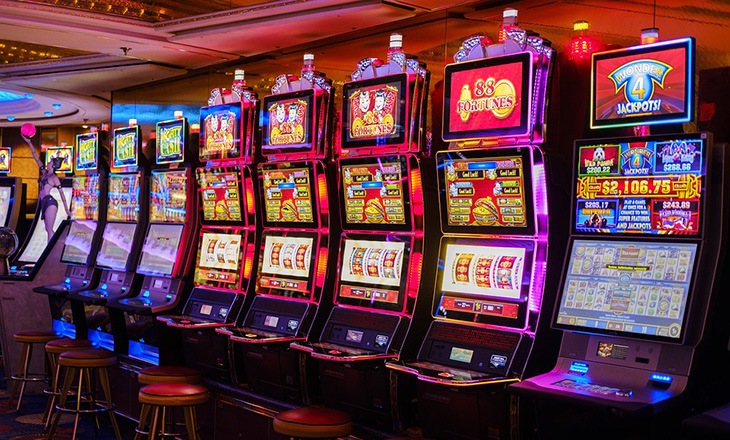
In many gambling scenarios, players often overlook the importance of large numbers in probability, which states that the more times an event occurs, the more predictable the outcome will become. For instance, when playing slot machines, the odds are generally stacked in favor of the house. Over a long enough time frame, the statistical probabilities will reveal that the casino has a built-in advantage. This principle emphasizes that while lucky streaks can happen, they are typically not sustainable in the long term.

Another misconception is that players can manipulate probabilities through strategies or betting systems. While certain strategies might improve the odds slightly, they do not alter the fundamental probabilities of the game. In essence, understanding probability means recognizing that all gambling activities are essentially games of chance. The house edge remains, and while skillful play can sometimes mitigate losses, it cannot eliminate the inherent risks involved in gambling.
Common Myths About Gambling Odds
Several myths circulate within the gambling community, and dispelling them is essential for making informed decisions. One prevalent myth is the belief that higher stakes guarantee higher odds of winning. In reality, odds remain constant irrespective of the amount wagered. A player betting high amounts in roulette does not receive better odds than someone betting the minimum. This misunderstanding can lead players to take unnecessary risks, thinking that larger bets somehow enhance their chances.
Another widespread myth involves the concept of “hot” and “cold” machines in slot gaming. Many players believe that machines that haven’t paid out for a while are ‘due’ for a win, while others believe that machines that have recently paid out will not pay again soon. This belief fails to acknowledge that slot machines operate on random number generators, meaning each spin is independent of previous spins. As such, the outcome is entirely random, and patterns perceived by players are purely coincidental.
Additionally, a common myth is that skill-based games always offer better odds than games of chance. While it is true that skill can influence the outcomes in games like poker and blackjack, the inherent odds still favor the house in the long run. Players should be cautious, as overestimating one’s skill level can lead to poor decision-making and increased losses. Understanding these myths is crucial for players looking to enhance their gambling experience and manage their expectations effectively.
The Importance of Bankroll Management
Effective bankroll management is a critical aspect of successful gambling. Many players ignore this principle, often leading to significant financial losses. A well-defined bankroll is essential, as it helps players set limits on how much they are willing to spend. By establishing a budget, players can avoid chasing losses, which is a common pitfall in gambling. This practice promotes a more sustainable approach to gaming, allowing players to enjoy the process without suffering from financial distress.
Moreover, understanding how to manage one’s bankroll involves recognizing the relevance of the odds and payouts associated with different games. For instance, games with higher volatility might offer substantial payouts but come with the risk of losing a bankroll quickly. Players must decide on their risk tolerance levels and make choices that align with their financial goals. Having a solid strategy in place allows for a more strategic approach to gambling rather than one driven solely by emotion or impulse.
Players should also be aware of the importance of taking breaks and reassessing their gambling habits regularly. This self-reflection can help individuals identify patterns that may be detrimental to their financial well-being. Incorporating regular breaks allows players to step back, evaluate their gaming strategies, and make adjustments as necessary. Ultimately, effective bankroll management is about not only safeguarding one’s funds but also enhancing the overall gambling experience.
Exploring Resources for Responsible Gambling
In the ever-evolving landscape of gambling, various resources and tools can assist players in fostering responsible gaming practices. Trusted organizations offer guidance on recognizing the signs of problem gambling and provide strategies to seek help if needed. Many online platforms feature self-exclusion options, allowing players to take a break from gambling if they feel it is becoming overwhelming. Utilizing these tools is essential for ensuring that gambling remains a fun and recreational activity.
Furthermore, educating oneself on the risks and rewards associated with gambling can lead to more informed decision-making. Many resources exist, including forums, articles, and referral services, that discuss different gambling strategies and the mathematics of games. Understanding the implications of the odds and probabilities helps players not only to navigate their gaming experiences effectively but also to realize when to walk away from a game.
Ultimately, embracing the resources available for responsible gambling contributes to healthier play habits. Engaging with support groups or seeking professional assistance can provide additional layers of support for those who may struggle with impulse control while gambling. The key is to balance fun with responsibility, ensuring that gambling can be an enjoyable experience without detrimental effects on one’s life.